I’ve written about some fairly heavy topics over the past few weeks: pesticides, microplastics, and my mornings. A few of these have ruffled feathers. They’re serious subjects, and people tend to have strong opinions on both sides. I did feel the weight of it a bit, though, and realised I wanted something slightly lighter for a moment.
So this week I’m looking at something that feels almost boring by comparison, in the best possible way: morning drinks. Coffee, tea, matcha. Most people I know have at least one they genuinely enjoy, and broadly speaking, they’re one of those rare areas of modern life where the news is… not terrible. They’re not miracle cures, but they’re often talked about as if they might be, and there may be a few real benefits alongside that.
This ended up as two pieces. This week: tea and matcha. I’ll come back to coffee next week.
The online narrative
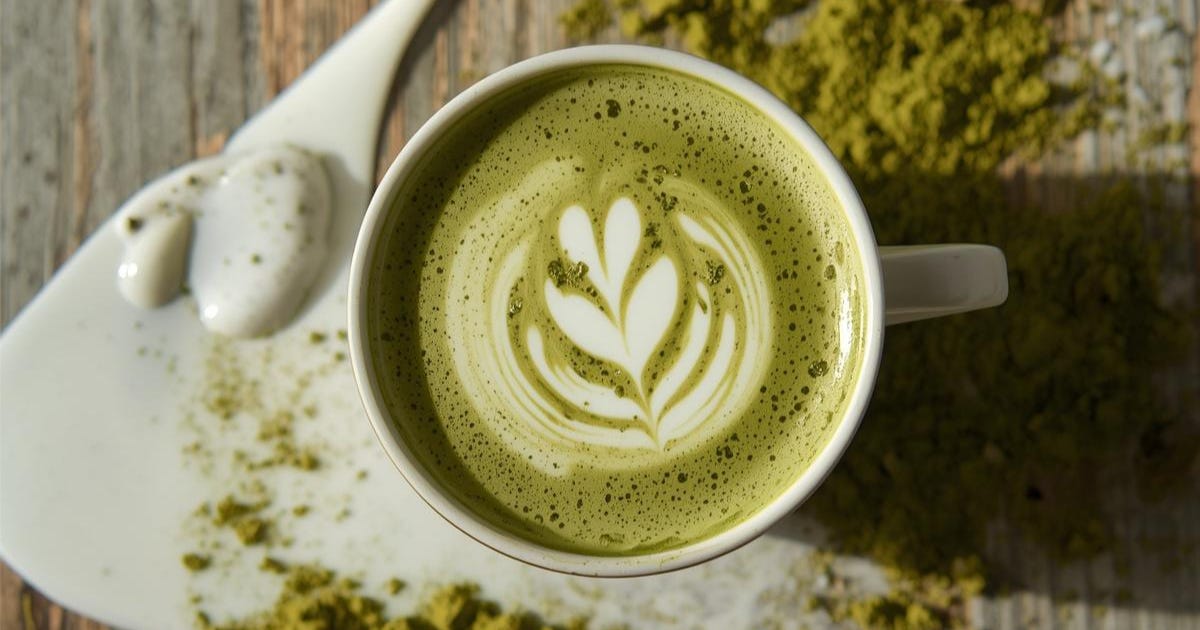
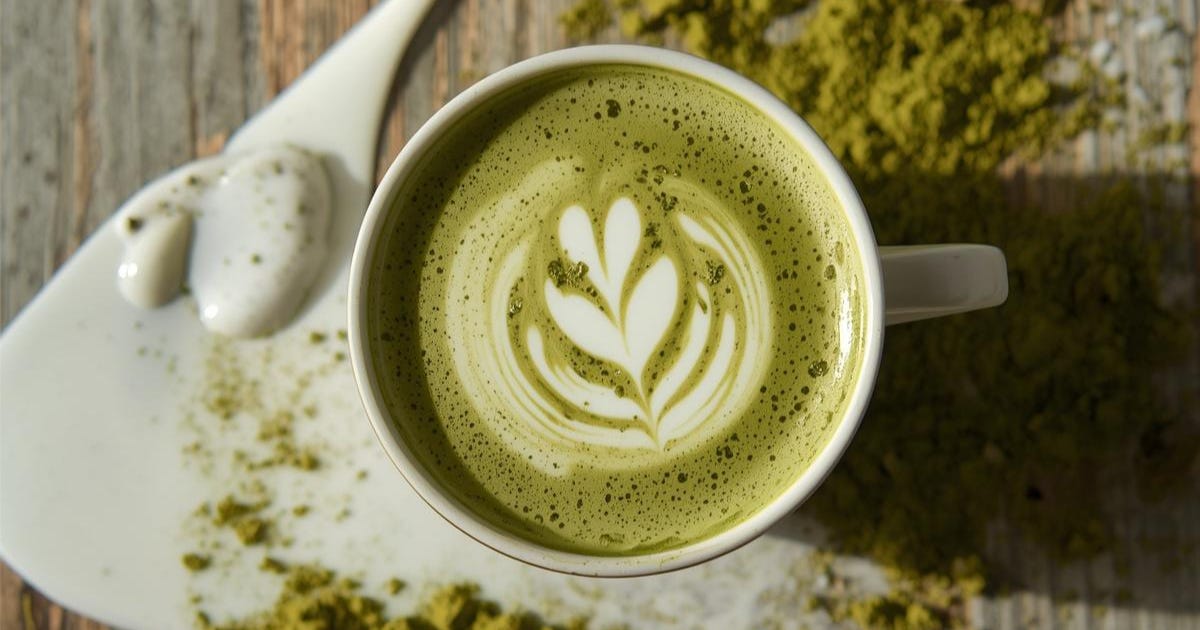
I drink matcha partly because our coffee machine is loud enough to wake the dead. I’m not prepared to risk an even earlier child wake-up for a cup of coffee, so milky grass water will have to do. I’ve actually become quite accustomed to it and, going by the internet, it does quite a lot.
It’s usually labelled a “superfood”, with fairly sweeping claims attached. Anti-inflammatory, boosts metabolism, burns fat. I’ve seen it described as “kryptonite for cancer cells”, which tends to come from lab studies but gets presented as something much more significant. Then there’s the caffeine side of things – slower release, no jitters, no crash. Just calm, stable energy.
So you end up with something that gives you steady energy, better focus, burns fat and might prevent cancer. Which, on paper, sounds great. Sign me up.
But before I get carried away, it’s probably worth doing what I always try to do with these things: take a step back and look at what the evidence can actually support.
What’s actually in tea & matcha
Tea and matcha are really the same family, just different formats. Both come from the tea plant and contain caffeine, L-theanine, and a range of polyphenols. Green tea tends to get most of the “health halo” because of its catechins, but black tea has its own too, just in a different balance after oxidation.
Matcha is essentially green tea processed differently. The leaves are shade-grown, then dried and ground into a fine powder. With a normal cup of tea you’re steeping the leaves and throwing them away; with matcha you’re consuming the whole leaf. So it ends up being a more concentrated version of the same thing.
The main compounds are fairly straightforward: caffeine (the obvious one), L-theanine (often used to explain why tea can feel a bit calmer for some people), and polyphenols, particularly catechins like EGCG that show up repeatedly in lab research because they’re biologically active.
The more interesting question is what any of it means in human beings living normal lives, which is where it gets a bit more complicated.
What the human evidence suggests
This is the part of the tea and matcha story that I do find genuinely interesting. Compounds in foods can look surprisingly powerful in the lab, and green tea catechins are a good example. EGCG in particular has been studied extensively because it can influence pathways linked to inflammation and oxidative stress, and there’s a whole body of work looking at its role in cancer biology. It’s not hard to see why people get excited, especially when the language shifts from “interesting signal” to “kryptonite”.
The slightly disappointing part, and this happens a lot in nutrition science, is that the studies can be real and still not translate nicely into human outcomes. We’re not cells in a dish. We’re not mice. We metabolise things, we have complex immune systems, we have different baseline risks and exposures, and dose and context matter. Something can look impressive in a test tube and end up being modest, inconsistent, or just hard to detect in real life.
When you look at human evidence, there are a few genuinely interesting trials, but they’re often in very specific settings. For example, there have been randomised trials of concentrated green tea catechins or green tea extract in high-risk groups looking at cancer-related outcomes. One small study in men with high-grade lesions found fewer prostate cancer diagnoses over a year in the catechin group than placebo. Another trial in people who’d already had colorectal adenomas removed reported fewer new adenomas at follow-up in those taking green tea extract. These are the kinds of results that sound impressive at first glance.
They also come with a big asterisk: small, high-risk populations, capsule-style doses, and you can’t simply translate them into “matcha prevents cancer”.
Just as importantly, there are also trials in this space that show little or no clear effect, which is exactly why it’s so easy to tell whatever story you want if you only pick the most impressive-looking paper.
When it comes to metabolism and fat loss, the evidence is a lot less impressive than it’s often made out to be. Some randomised studies using high-catechin green tea beverages have shown modest reductions in weight or waist measures, particularly at higher doses. Others show little to no meaningful change in body fat, even if they detect small shifts in fat oxidation during exercise. It’s not that the idea is ridiculous. It’s that the effect, when it shows up, tends to be small and inconsistent, and it’s nothing like the “burns fat” storyline people are sold.
When you zoom out, the overall tea story is quite positive. Large observational studies and meta-analyses tend to find that tea drinkers do slightly better on long-term outcomes like all-cause mortality and cardiovascular mortality than non-drinkers. That doesn’t prove tea is the cause, because tea drinking also clusters with other lifestyle factors, even when researchers adjust for them. But it’s a fairly consistent pattern, even if it’s hard to pin down exactly why.
So if you want a simple way to think about it, it’s something like this: there’s enough biological plausibility and enough human signal to make tea and matcha feel like a habit you can enjoy without guilt, and possibly feel quietly good about. But the evidence doesn’t support turning it into a cure, or a fat-loss tool, or a cancer shield.
It’s a drink, not a protocol.
Important considerations
The practical caveats with tea and matcha are much less dramatic than the internet makes out, but they’re worth knowing.
The first is iron. Tea polyphenols can reduce absorption of non-haem (plant) iron if you have them with an iron-rich meal or alongside an iron supplement. If low ferritin is already an issue, or during pregnancy, heavy periods, or a mostly plant-based diet, this is one of the easier things to adjust. Having tea or matcha between meals, or taking iron at a different time, is usually enough.
The second is pregnancy. Caffeine limits are lower, and it’s one of the few times I think it’s sensible to be a bit more deliberate. This isn’t about fear, it’s just about dose and uncertainty in a vulnerable window.
The third is the “supplements vs drinks” point. Drinking tea or matcha is not the same thing as taking high-dose green tea extracts. A lot of the punchier claims, and some of the safety concerns, live in supplement territory rather than in normal cups of tea.
And finally, the least exciting but probably most important caveat: timing. If your sleep is already fragile, caffeine late in the day will matter more than whether it came from coffee, tea or matcha. One of the easiest ways to keep the benefits and avoid the downside is simply not to push it too late.
My morning matcha
These days I’m mostly a matcha person. I drink it at about 5am, usually around the time the youngest wakes up. I microwave my milk while I’m making her bottle, she “helps” by adding a teaspoon of matcha and spilling most of it, and then I use a hand blender to blitz it up. No bamboo whisk. No perfect bowl. It’s not exactly a calm ritual, but it’s quick, warm, and it makes me feel a bit more human before the day properly starts.
For me, it mostly solves a simple problem: grogginess. It’s hydrating, it’s something comforting to hold, and the caffeine does what caffeine does. And if I’m being honest, it does feel a bit calmer than coffee for me, less jittery, although that may simply be because there’s less caffeine in it than the very strong coffees I used to drink. It gives me a gentle lift and it fills me up enough that I can get going without breakfast straight away. If I don’t have it, nothing major happens. I’m just a bit groggier for longer.
There are downsides. Matcha can be expensive, and I’m very aware of that. I’m lucky that my sister very kindly buys it from Japan, although that does mean it’s a bit of a lucky dip as to what I end up with, given that I can’t read the packaging. And while I do think the “stable energy” idea holds up a bit for me, it’s not magic. It won’t cancel out the effects of a bad night’s sleep, and it definitely won’t overcome the crash if I eat a pile of jammy toast first thing.
That’s where I’ve ended up with it. I like reading about the research and I’m reassured by the fact that it doesn’t seem to be harmful in normal amounts, and that there may even be some benefits. But I would still drink it without the health claims because I enjoy it and it makes early mornings feel slightly more manageable. If it turned out there was no benefit at all, I don’t think it would change much about what I do.
What I’m not doing is treating it as something that’s going to meaningfully change my health on its own. I’m not expecting one cup a day to help me lose weight or prevent cancer, especially if the rest of my life isn’t aligned with the bigger levers we already know matter more. You can’t outrun a poor diet, and you also can’t matcha your way out of one. In the hierarchy of health, this sits firmly in the “tweak” category. Nice if you like it. Not essential if you don’t.
If a friend asked me whether they should start drinking matcha for their health, I’d probably say: try it if you like it. You might enjoy it, and it may suit you better than coffee. There may be some small benefits, which is a nice bonus. But please don’t spend a fortune on it, and be very wary of anyone selling it with disease-prevention promises attached.
And honestly, if you don’t like it, I wouldn’t worry. This is one of those Marmite things: you either love it or you don’t. If you do, it’s quite nice to think that something you already enjoy might also be doing you a small amount of good.
Leave a Reply